San Francisco in May means conference season. From May 12 to 14, AI Council brought data and AI practitioners to the Marriott Marquis: analytics engineers, ML platform leads, founders, infrastructure architects, and investors gathered for three days of conversation about what's actually working in production right now.
We set up shop in the exhibitor hall with the full booth crew.
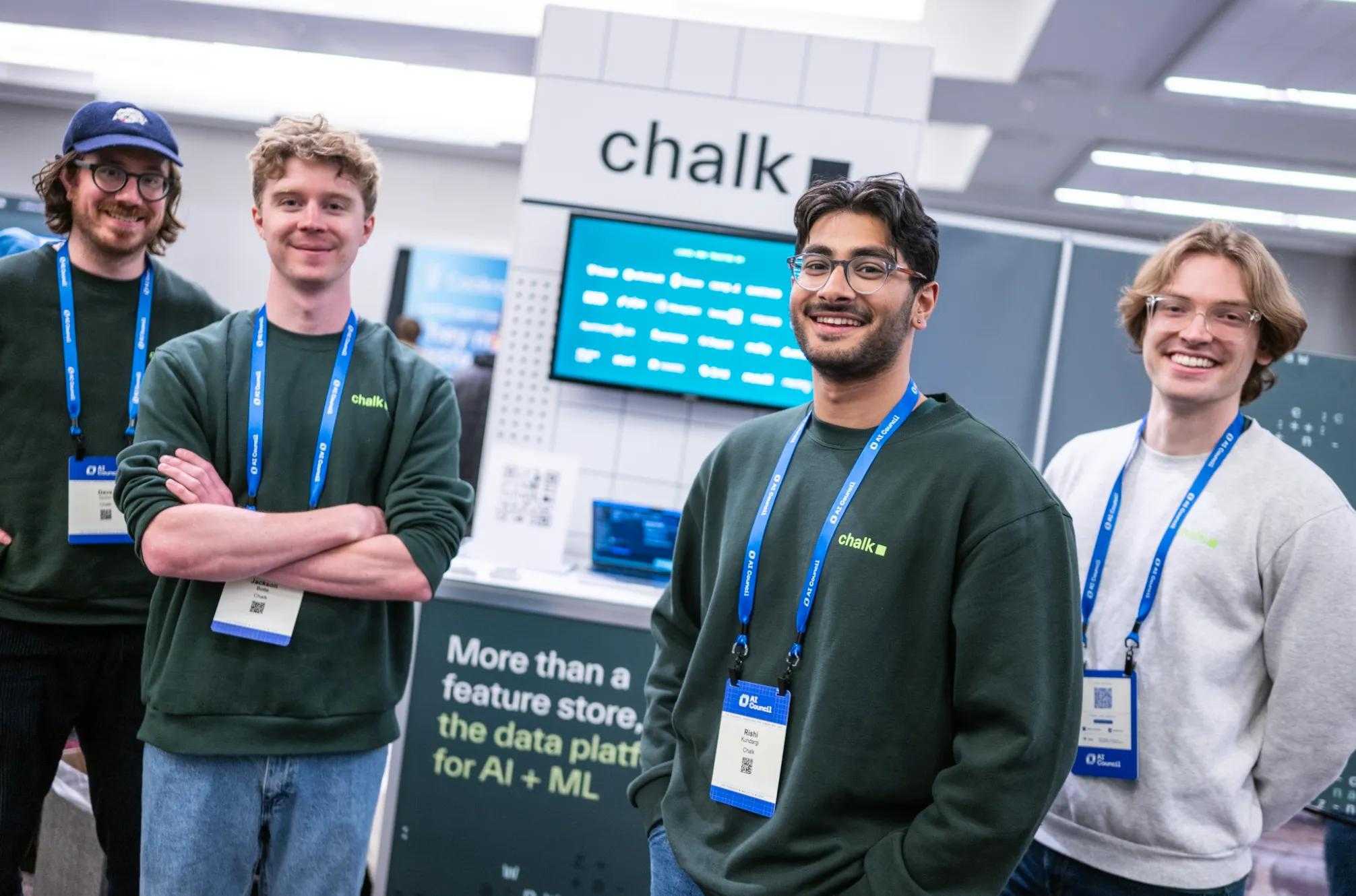
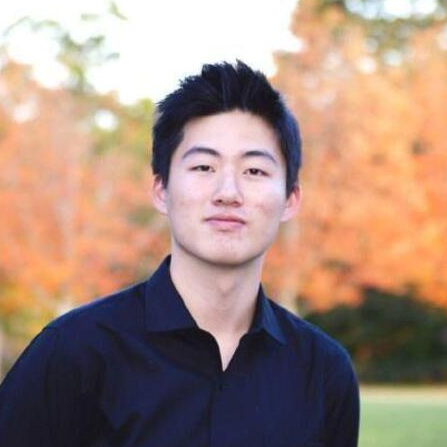
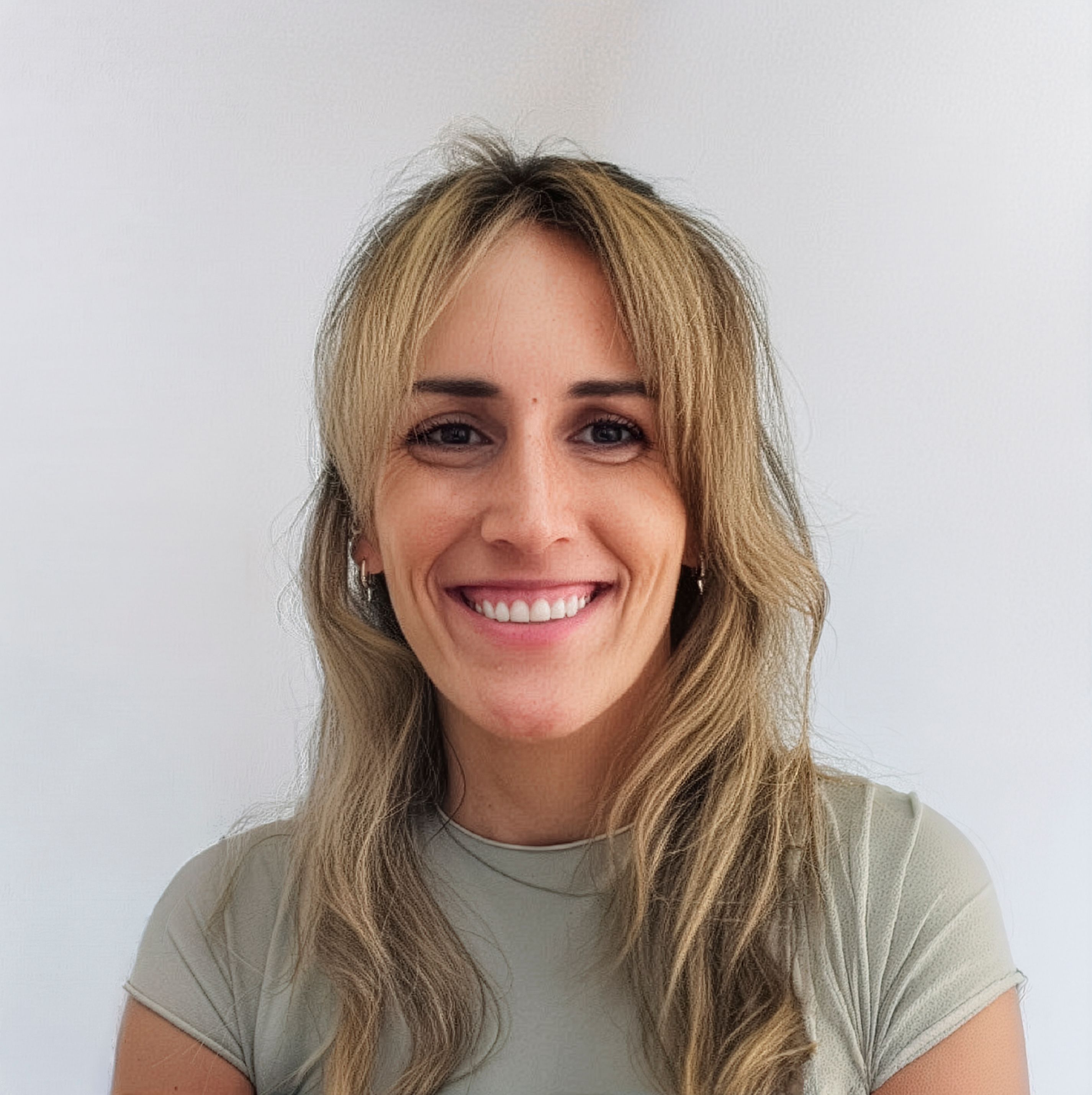
Our forward-deployed engineers spent most of the three days discussing attendees' latest development hurdles. The format was the same one we've leaned into all year. No slides, no pitch deck. An engineer pulls up a chair and walks through Chalk's architecture with whoever sat down. Rishi anchored the booth with live demos, Jackson kept the calendar moving, and our co-founders rotated through for executive conversations between sessions.
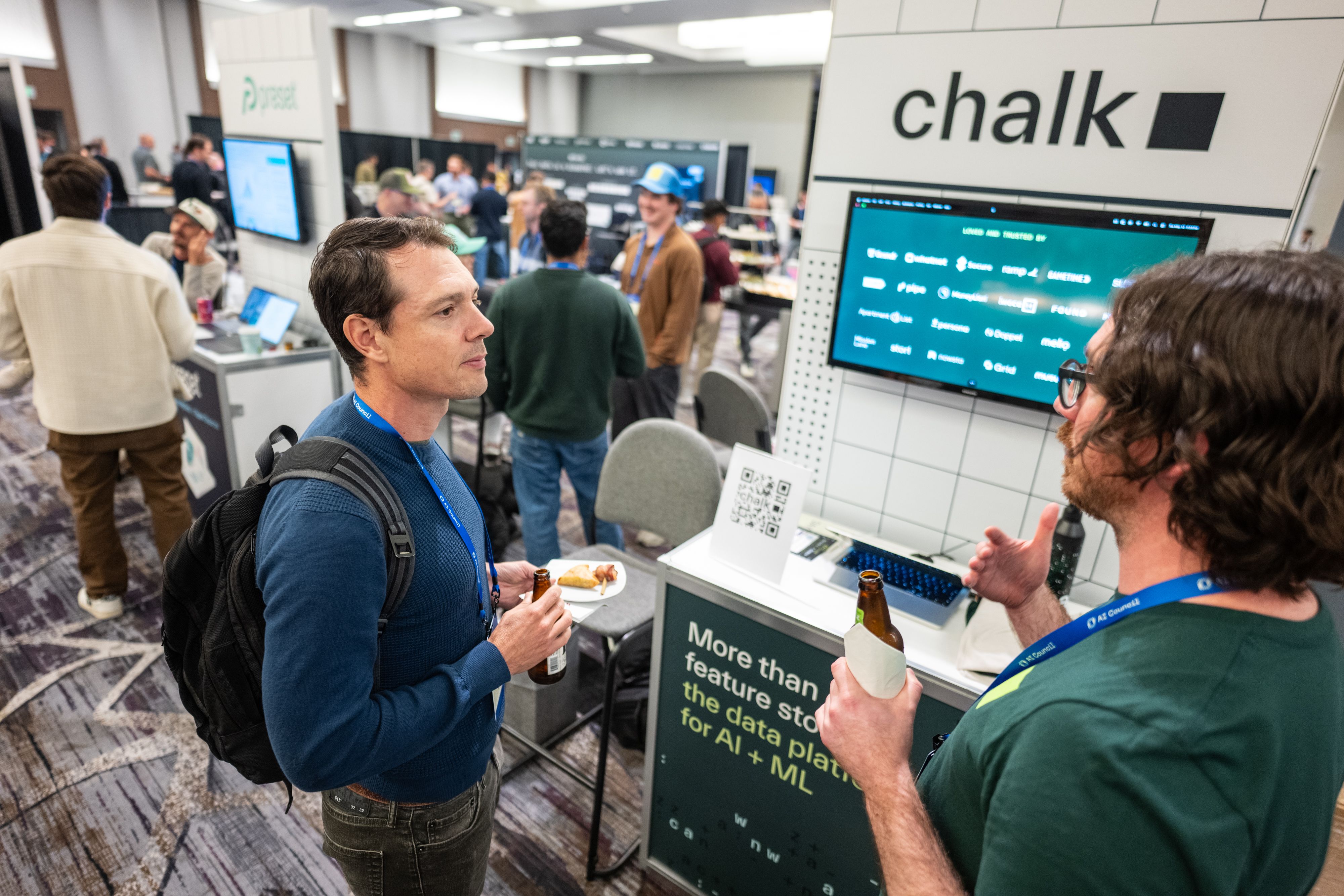
AI Council was a useful reminder of just how many teams are arriving at the same problem from different angles. We talked to a lot of teams there. We'll be talking to more of them at the next stop.
What's next
Next week, we head to Snowflake Summit, June 1 to 4 at Moscone, for what's shaping up to be one of our biggest events of the year. Marc and AJ Balance, CPO at Grindr, are taking the main stage to walk through the real-time infrastructure behind one of the largest consumer AI apps in the world. Elliot is leading a technical breakout on a computation-first architecture for real-time ML feature stores. The full Chalk team will be at Booth #2611 all four days.
And if you've been around San Francisco the past few weeks, you've probably seen us already. The Chalk bus is on the streets, running its loop through the city. Why a bus? You'll find out June 1 at Summit. Head to chalk.ai/speed to get on the list.
See you in June.